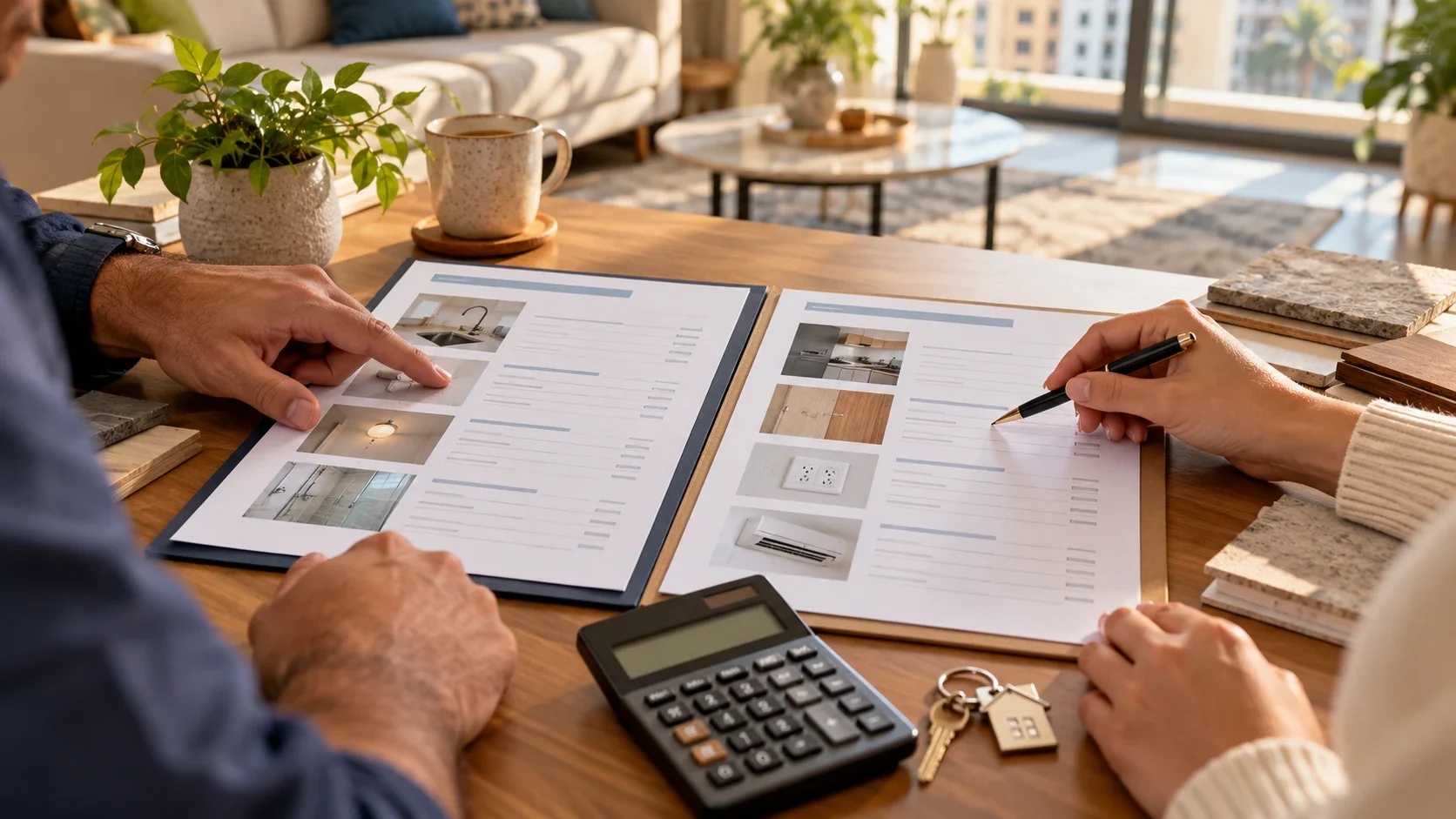

An annual maintenance budget helps a property owner plan for routine care and respond to repairs without relying on memory. There is no single amount that fits every apartment. The age of the property, its equipment, building arrangements and past repair history all matter. Start with your own records and ask qualified service providers for estimates where needed.

Start with last year’s records
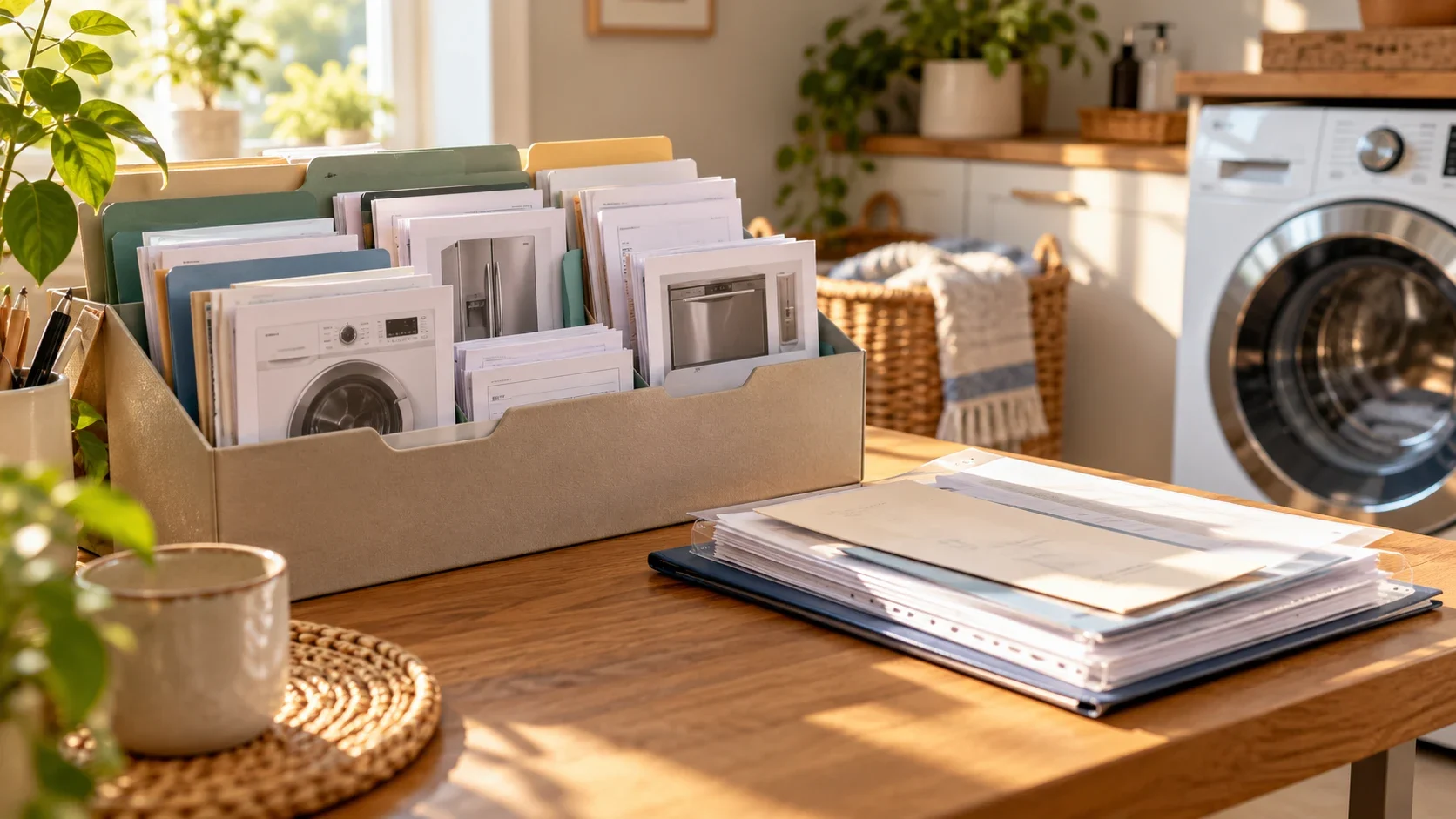
Gather invoices, service reports and repair notes. Group them into clear categories such as routine service, plumbing, electrical work, appliances, cleaning and unexpected repairs. Separate one-time improvements from repeat maintenance so you can see which costs are likely to return.
If you do not have a full year of records, begin now. Add each expense with the property, date, work description and provider. A simple, current record is more useful than trying to remember every small repair later.
List planned work separately
Note any recommended service visits, known equipment concerns and tasks that may be needed soon. Ask the provider what is urgent, what can be planned and what estimate they can share. Do not delay a safety repair to wait for the next budget cycle.
If a building handles part of the maintenance, clarify what is included and what remains the owner’s responsibility. Keep the answer and any service schedule in the property file.
Set a reserve that fits the property
Choose a reserve based on your own repair history and risk tolerance. Review it with a qualified financial or property adviser if you need help. Avoid using a generic online number as a promise of what your apartment will cost. A reserve is a planning tool, not a guarantee that every repair can be covered.
Review the plan during the year
Update the budget when a repair is completed, a service price changes or equipment is replaced. Compare planned and actual spending every few months. If one category is growing, ask whether a repeat fault needs a larger review rather than another temporary fix.
Budget worksheet fields
- Property and budget year.
- Planned service and estimate.
- Repair type, date and actual cost.
- Provider and report or invoice.
- Reserve balance and next review date.
A clear budget makes it easier to plan questions before a repair is urgent. Keep your assumptions visible and update them as the property’s needs change.
Explore related official pages
Continue with verified information from the Friends Group of Companies website.