
Changing hotels during a Dubai trip can make sense when different parts of your visit have different needs. You might want a few nights near your meetings and a few near your chosen sightseeing area. You may also be joining family, changing a booking or moving to a room that better fits your group.
The move itself deserves a plan. You need to leave one room, manage luggage, travel and enter another room. Those steps can take a useful part of the day even when the hotels look close on a map. This guide shows how to make a Dubai hotel change easier without turning the whole day into a transfer problem.
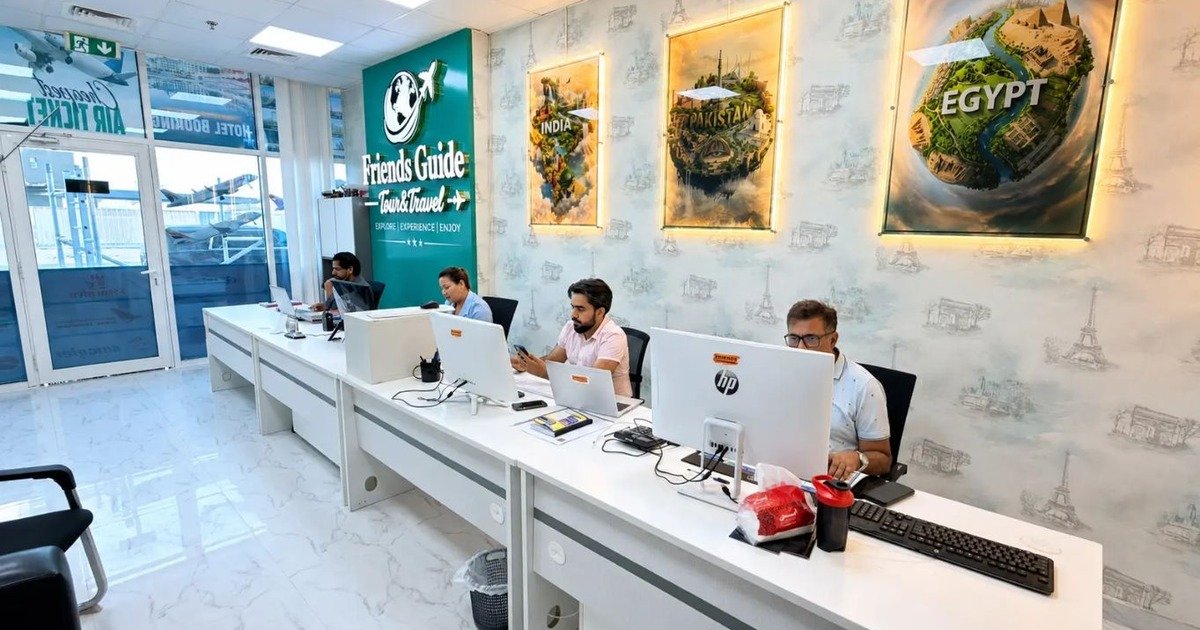
For help discussing visitor arrangements, use the Friends Guide Travels & Tourism profile. Explain both hotel locations and the dates involved. Confirm each service and its terms before treating a suggested arrangement as booked. This article gives practical planning ideas, not a promise of room access, storage or transport availability.
Decide whether the move solves a real problem
Compare the benefit with the effort
Before booking two hotels, ask what you gain from moving. A better location for the second part of the trip may save several journeys. More suitable room space may make a family stay easier. A small saving on one night, however, may disappear after transfer costs and the time spent packing are included.
Write down the reason in one sentence. For example, you may want to stay close to a confirmed event for the first part of the visit, then use another base for free time. This helps you choose a sensible moving day. It also prevents a hotel change based only on an attractive photograph or a price that does not include the same things.
Compare the complete bookings. Look at room type, occupancy, meals, cancellation terms and any other costs the hotels identify. Two nightly prices are not directly comparable if they cover different arrangements. Ask questions before cancelling a room you already hold. A move should improve the overall trip, not create uncertainty that you could have avoided.
Put checkout and check-in on the same timeline
The gap belongs in your itinerary
Ask both hotels for the times that apply to your reservations. Do not assume that leaving the first room and entering the second will happen together. A late checkout request and an early check-in request may both remain subject to availability. Mark them clearly as requests until the hotels confirm otherwise.
If the gap matters, ask what can be guaranteed and at what cost. Compare the answer with a simpler plan using luggage storage and a light outing. The right option depends on your group's needs. Someone who must prepare for a meeting may value room access more than a traveller who wants to spend the afternoon outside.
Use actual times when briefing transport. Saying that you are moving hotels in the morning leaves too much open. Give a preferred collection window and explain whether the first hotel must hold luggage beforehand. Check how the driver will contact you and where the vehicle can collect passengers and bags at each property.
Confirm luggage storage with a named hotel
A bag needs a clear destination
Ask whether the first hotel can hold bags after checkout or the second can accept them before check-in. Confirm any restrictions, collection arrangements and charges. Do not rely on a general statement from another traveller. Your booking, luggage and planned collection time may be different from theirs.
Choose one storage arrangement where possible. Leaving some cases at one hotel and taking others to another can create extra journeys. If separate storage is necessary, make a simple list showing where every piece is held and who has the collection record. Check opening or collection arrangements before leaving for a long outing.
Keep passports, valuables, essential medicine and the items needed during the gap with you. Prepare that bag before closing the large cases. A luggage room is not a convenient wardrobe for repeated visits. Reducing the number of things you need from stored bags makes the waiting period easier for the hotel and your group.
Choose the moving day carefully
Protect your most important experience
A hotel change is easier on a day with room to adjust. Avoid placing it between several fixed attraction tickets, a long excursion and an important dinner. The move may run smoothly, but the plan should still work if checking out, collecting bags or entering the next room takes longer than expected.
Look at the whole trip before deciding. If one day already has a transfer between the two areas, you can ask whether moving luggage fits that service. Get the answer in writing. A sightseeing vehicle may not have space for all your cases, and leaving bags in a vehicle during visits may not suit your belongings or the provider's arrangements.
Keep an easy activity as an option rather than a duty. A meal near the second hotel or a short walk can fill part of the gap. It should be something you can shorten if the room becomes ready or if the group is tired. Avoid buying another timed ticket merely to keep everybody occupied during an uncertain interval.
Count the real load before booking transport
Seats and luggage space are separate questions
Send the provider the number of adults, children and luggage pieces. Include strollers, large shopping bags and other bulky items. A vehicle with enough passenger seats is not automatically suitable for every group's bags. Ask the provider to confirm the arrangement for the actual load rather than choosing only by a vehicle photograph.
Tell the provider if any person needs assistance getting in or out. Explain the practical requirement without sending unnecessary private information. Ask what the service can accommodate and whether a different vehicle or arrangement is needed. Check any child-seat requirements with the provider before the booking is confirmed.
At pickup, count bags before the vehicle leaves. At drop-off, count them again before anyone goes into the lobby. One person should be responsible for this check, while another can stay with children or handle reception. Shared responsibility sounds helpful, but it can mean everyone assumes somebody else checked the last case.
Keep one small bag ready for the gap
Pack for a day without a room
Prepare a manageable bag containing what you may need between checkout and room access. Consider a change of clothes, chargers and supplies for children. The contents should match your plans. Someone going to a meeting needs different items from a family spending a quiet afternoon near the new hotel.
Avoid putting everything important in one person's bag. If the group briefly separates, each adult should have the essentials for their own arrangements. Agree where the booking details are stored and who can contact each hotel. Keep sensitive documents secure and share them only with the people or providers who need them.
Test the bag before the moving day. If it is too heavy to carry comfortably during a short outing, remove things you will not use. The goal is freedom from large cases, not replacing them with several overfilled shoulder bags. A simple packing choice can make the entire hotel change feel less tiring.
Make the first checkout calm and complete
Leave time for a final room check
Start packing before the last morning. Put clothes and unused items into cases the evening before, while keeping the next day's needs separate. This reduces the chance of a rushed search when the transfer arrives. It also gives you time to notice a missing charger or an item left in a cupboard.
Check drawers, wardrobes, the bathroom and charging points before leaving the room. Look under bedding for small belongings. If you used a hotel safe, follow the hotel's instructions and make sure your items are collected. Let one adult perform the final room check rather than sending everybody in different directions without a clear plan.
Settle any outstanding hotel matters at reception and keep the relevant record. Ask about anything you do not understand before departing. Do not promise the driver an exact departure minute if checkout may still involve a discussion. Clear communication is better than leaving the vehicle waiting while the group tries to resolve an avoidable question.
Give the second hotel useful arrival information
Describe what you need on arrival
Send the new hotel your expected arrival window and ask how to handle luggage if the room is not ready. If you have a confirmed room-access arrangement, keep that confirmation accessible. If you only have a request, make sure the group understands that there may still be a wait.
Check room occupancy and the names on the reservation before moving. A family should not discover at reception that the room arrangement does not match the travellers. Tell the hotel about any change and ask for the revised booking details. Do not assume that a message to a transport provider also updates the hotel.
Once the room is available, check that it matches the confirmed arrangement before unpacking everything. Raise a practical problem promptly with reception. Keep the tone clear and specific: explain the booked room type, the issue and the outcome you need. This is easier than trying to solve a room problem after the group has spread its belongings everywhere.
Keep meals and children out of the waiting problem
Give the group an easy anchor
A moving day becomes harder when everyone is hungry and there is no agreed place to sit. Choose a suitable meal window and a convenient option near the confirmed route. Check that the venue works for your group. Do not rely on an unfamiliar hotel's restaurant being open or available without checking.
For children, explain the day in simple steps: leave this room, move the bags, eat and enter the next room when it is ready. Keep a familiar activity available during waiting. Avoid describing early room access as certain when it is only requested. Expectations can create more stress than the waiting itself.
If adults need different plans, agree who remains with children and luggage. One person might attend a meeting while another completes hotel arrival. This can work if each person has the necessary booking details and contacts. It works poorly when the only person named on the booking leaves without checking the hotel's requirements.
Handle changes through the right provider
A hotel message does not update every booking
Changing a hotel can affect pickup coverage, meeting points and the cost of another service. Tell each provider whose arrangements are affected. This may include a tour organiser, airport transfer company or event contact. Ask them to confirm the new pickup in writing before deleting the old instructions.
Use the hotel's full name and exact location. Similar hotel names or several branches can cause confusion. Share the confirmed entrance or map pin when the provider requests it. A general district is not a reliable substitute for a specific collection point, especially when the group is trying to leave at a busy time.
Keep a short change record. Note the old detail, the new detail, the person who confirmed it and any price difference. This is especially useful for a group using several rooms. The record does not need to be formal; it only needs to stop old and new instructions from being mixed together in different messages.
Compare complete moving-day costs
Look beyond the price of the vehicle
Your total may include transport, room-access arrangements, meals and any extra journey needed to collect bags. Ask for the confirmed inclusions and limits of each service. A transfer quote may not include waiting through check-in, additional stops or a return to the first hotel for forgotten luggage.
Compare the move with staying in one hotel. A cheaper second room may still be worthwhile, but include the effort and extra arrangements honestly. A longer stay in one place might reduce packing and transport. There is no single correct answer for every trip; the useful comparison is the one based on your actual dates and group.
If several households share a vehicle, decide how costs will be divided before the move. Record who pays for an optional extra and who can approve a change. This keeps a small practical decision from becoming a disagreement in the lobby. Ask for receipts or written confirmations where appropriate for your records.
Two examples of a manageable hotel change
A couple moving from meetings to free time
The couple chooses a moving day without an early attraction ticket. They confirm checkout, ask the second hotel about storage and book a direct transfer with the correct luggage count. Their afternoon meal stays flexible. If the room is ready early, they can settle in; if it is not, they still have a comfortable plan.
A family joining relatives at another hotel
The family checks room names and occupancy before moving. They tell their next day's tour provider about the hotel change, prepare one small day bag and count luggage at both ends. One adult handles reception while another stays with the children. The group saves optional sightseeing for after the room situation is clear.
A final moving-day checklist
Write the first hotel's checkout time, the second hotel's confirmed access arrangements and the transfer meeting point together. Add the luggage count and contact details. Keep the page short enough to read while standing in a lobby. A useful checklist tells you what happens next rather than repeating every detail of the holiday.
Before leaving the first hotel, check the room, settle outstanding matters and collect stored bags. Before the vehicle leaves the second hotel, count every piece again. Tell affected providers that the new hotel is now your base. Keep the old booking record until any outstanding question is settled.
If you need help coordinating visitor services, start with the travel company or contact Friends Group for the right route. The group overview explains the portfolio. Keep hotel changes practical, clearly confirmed and small enough that you still have time to enjoy the day.
Keep the moving day understandable for everyone
Separate the organiser's record from guest instructions
The person coordinating the move may hold quotes, room confirmations and several provider messages. Other travellers usually need a much shorter version: when to leave the room, where to meet and which bag to keep with them. Send those practical steps clearly. Do not expect a child, older relative or late-joining friend to interpret a long booking thread while a vehicle is waiting.
Check that the instructions suit anyone who is not using the same phone or language as the organiser. Explain the next step directly and give an exact meeting place. If relatives are staying in several rooms, allow time to collect everyone without rushing the final room check. One calm coordinator can handle the provider while another adult keeps the group together.
After arrival at the second hotel, confirm that each traveller knows the new base and the next day's meeting point. A change of hotel can be confusing when someone leaves separately for shopping or a meal. Share the correct hotel details and check that old pickup instructions are no longer being used. Keep the message limited to useful travel information rather than forwarding private reservation documents to everyone.
Review the move after the bags are delivered
Close the practical tasks before starting another outing
Once the luggage is counted, check whether anything remains to be collected from the first hotel. Confirm any outstanding message about the transfer and retain the appropriate records. If an item is missing, contact the relevant provider promptly with a precise description and the journey details. Do not assume it is in another family member's room without asking.
Give the group a short pause to find chargers, clothes and the items needed for the evening. Starting another outing before people can locate essentials may turn a successful move into avoidable frustration. If the room is not ready, review the confirmed storage arrangement and keep the small day bag accessible. Finish the hotel-change process clearly, then decide what the remaining day can comfortably hold.
Frequently asked questions
1. Is changing hotels in Dubai worth it?
It can be worthwhile when the second location or room arrangement clearly improves your trip. Compare the benefit with packing, transport and the room-access gap. Include the full cost and the time involved. Moving only for a small nightly saving may be less useful than it first appears, especially for a group with large luggage.
2. Can I leave bags at the first hotel after checkout?
Ask that hotel directly. Confirm availability, restrictions, collection arrangements and any charge for your booking. Keep important items with you and retain the collection record. Do not assume that a service offered during a previous stay or described online will apply in exactly the same way to your current visit.
3. Can the second hotel guarantee early check-in?
Only the hotel can confirm the arrangement for your reservation. A request may depend on room availability. If access is essential, ask which booking option gives you a guarantee and what it costs. Keep the written confirmation and explain the difference between a request and a guarantee to everyone travelling with you.
4. Should I combine sightseeing with the hotel transfer?
You can ask whether the provider offers a suitable service, but confirm stops, luggage space, waiting and the final destination. A direct transfer does not automatically include sightseeing. Consider whether your belongings can be managed appropriately during visits. A separate light outing after bag storage may be easier for some groups.
5. What vehicle information should I provide?
Give passenger numbers, children's details relevant to transport, luggage count and bulky items. Mention any practical access needs. Share both hotels' full names and confirmed pickup points. Ask the provider to confirm suitability rather than assuming that enough seats also means enough space for every case and stroller.
6. What should go in the small moving-day bag?
Pack only the things needed before the next room is ready. These may include chargers, a change of clothes and children's supplies. Keep documents, valuables and essential medicine with you. Match the contents to the day's activities, then check that the bag is light enough to carry comfortably during a meal or short outing.
7. Do I need to update my tour pickup after moving?
Yes, tell the tour provider directly and ask for confirmation of the new hotel and meeting point. Check whether the new location changes coverage or cost. A hotel change recorded in one booking does not update another provider automatically. Save the revised instructions so the group does not follow the old pickup message.
8. What if the new room is not ready when we arrive?
Use the arrangement you confirmed with the hotel, such as permitted luggage storage and an appropriate waiting plan. Ask reception for an update without treating an unconfirmed early-access request as a promise. Keep meals and essential items available. Avoid solving the delay by adding a tightly timed activity that makes returning harder.
9. How can we avoid leaving belongings behind?
Pack most items before the last morning and assign one adult to check the room. Look in drawers, cupboards, the bathroom and charging points. Count luggage before each vehicle departure. Keep a clear list if bags are stored in different places. A few calm checks are easier than organising a return journey for a missing item.
10. Can Friends Guide Travels arrange our hotel-change transport?
Send the travel team both hotels, the date, passenger count, luggage details and preferred collection window. Ask what service is available and request the complete inclusions and terms. Confirm any extra stops or waiting separately. The written arrangement should match the actual moving-day plan before you treat the transport as booked.
Explore related official pages
Continue with verified information from the Friends Group of Companies website.