
Dubai sightseeing between business meetings works best when the plan starts with the meeting, not the attraction. A free-looking gap in your calendar may also contain travel, preparation, lunch and the time needed to reach the correct entrance. Once you account for those steps, the useful sightseeing window becomes much clearer.
You do not need a full free day to enjoy a change of scene. A short heritage walk, a meal with a view or one carefully chosen visit can add something memorable to a work trip. The key is choosing an outing you can finish comfortably, with enough room to arrive at your next commitment ready.
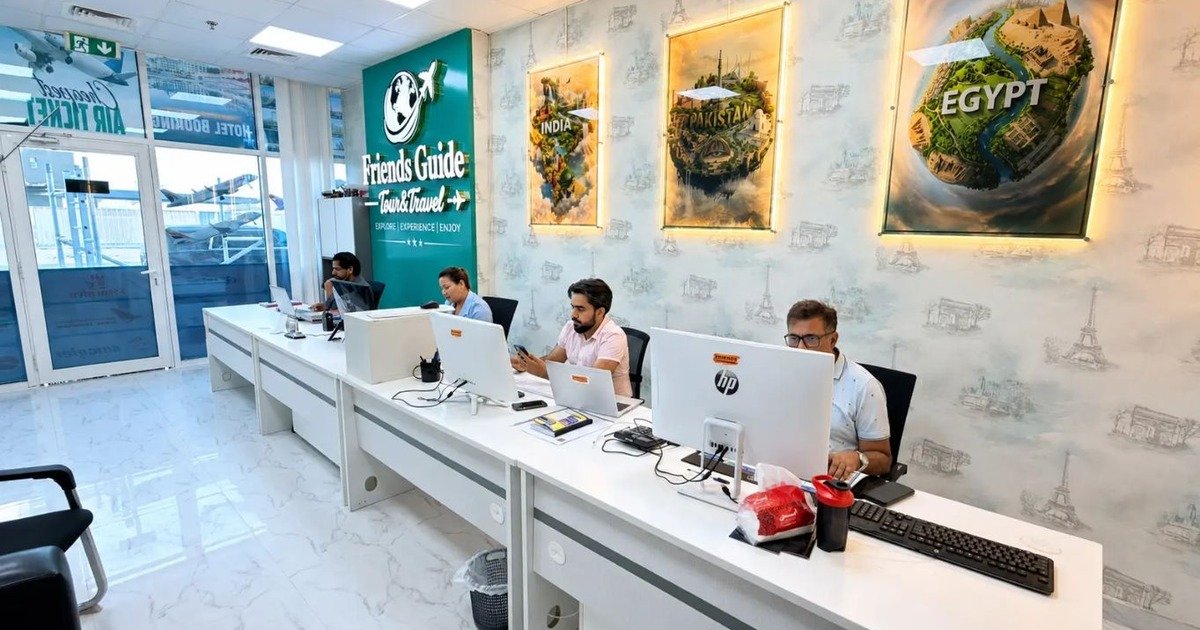
This guide covers practical planning rather than fixed journey times or guaranteed attraction access. For a visitor-services enquiry, start with Friends Guide Travels & Tourism. Share your meeting locations, available window and priorities. Ask for the actual service, inclusions and terms before confirming an arrangement.
Find the real space in your calendar
A calendar gap is not all free time
Write down when the first meeting is expected to end and when you need to be ready for the next one. These may differ from the times printed on an invitation. You might need to remain for a discussion, collect belongings, prepare notes or check in at the next venue. Include those steps before choosing an activity.
Separate fixed times from estimates. A confirmed presentation start is fixed. The end of a conversation may be less certain. An outing between an uncertain finish and a fixed start needs more flexibility than a visit on a completely free afternoon. The planning question is how much time you can safely use, not how much the calendar appears to offer.
If you cannot define a comfortable window, choose a nearby meal or short break instead of a timed attraction. A smaller plan can still be enjoyable. It also reduces the chance of spending the entire outing checking your phone and worrying about the next appointment rather than noticing where you are.
Choose one main purpose for the outing
Match the experience to your available attention
Decide what would make the break worthwhile. You may want fresh air, a photograph, local history or an enjoyable lunch. Each goal suggests a different plan. Someone wanting a quiet pause does not need the same itinerary as a colleague hoping to visit an observation deck for the first time.
Choose one priority, then let other stops remain optional. A short work-trip break becomes difficult when a simple visit grows into several districts and a shopping list. Put the optional part last so it can be removed without changing the rest of the arrangement. Tell the travel provider which element matters most.
If colleagues are joining, agree on the priority before booking. Do not assume that everyone wants to spend the entire gap together. One person may need to take a call or prepare for the meeting. A shared meal and separate optional plans can be easier than asking the whole group to follow a route that suits only one person's interests.
Work backwards from the next entrance
The correct arrival point matters
Ask your meeting host for the exact venue, building entrance and arrival instructions. A hotel, office complex or event venue can have more than one entrance. Reaching the general area is not the same as being ready at the meeting room. Use the host's directions when planning the final part of the journey.
Include any registration, reception or visitor process that the host identifies. Check whether you need to bring something specific or arrive before the formal start. Do not send sensitive business documents to a tour provider just to explain your schedule. The provider usually needs the location and timing constraints, not the contents of your meeting.
Set a latest departure time from the outing and keep it visible. This is a practical decision point, not a suggestion to discuss again when everyone is enjoying lunch. Agree with colleagues and the provider that the optional part ends when the departure window is reached. Clear boundaries make a short outing more relaxed.
Prefer a route that does not double back
Let location shape the choice
Look at your current base, the outing and the next meeting together. A visit near the route may be easier than travelling far away and returning to almost the same point. Avoid treating well-known attractions as interchangeable stops. The right choice depends on where your commitments actually take place.
Ask a provider to explain the route in plain language. Which stop comes first? Where will you leave the vehicle? Which parts involve walking? Where does the service finish? These questions reveal whether the plan fits your window better than a long list of attraction names or a single estimated driving time.
If your meeting location changes, review the sightseeing plan again. A route that worked well yesterday may no longer fit. Keep changes in one message thread or written summary so the driver and organiser do not use different versions. Confirm any price or service change before assuming the same arrangement still applies.
Understand the difference between a photo stop and a visit
A quick view is a different product
A photo stop usually has a different purpose from entering an attraction and exploring it. Ask which kind of stop is being offered. A short exterior view may suit a limited break, while paid admission can involve entry procedures and time inside. Do not book one while expecting the other.
For a timed attraction, check the current ticket terms and entry arrangements with the provider or official venue. Include the walk from drop-off to the entrance. Ask what happens if your meeting ends late. A ticket that cannot be moved easily may not suit an uncertain business schedule, even if the attraction is close by.
For a walking stop, ask about distance, surfaces and the point where you will rejoin transport. Think about what you will be wearing and carrying. An outing should fit the practical reality of your workday. You should not have to choose between enjoying the stop and arriving at a meeting in clothes or shoes that no longer feel suitable.
Decide what to carry and what to leave
Keep business belongings manageable
A laptop bag can make a short visit less convenient than expected. Consider whether you need it during the outing and where it can be kept appropriately. Ask venues about their current bag rules before booking. Never assume that a driver, café or attraction will hold valuable business equipment as an informal favour.
Keep important items under your control. If your employer has rules about documents, devices or confidential information, follow them. You do not need to explain private material to a sightseeing provider. Simply state a practical constraint, such as needing to keep a bag with you or avoiding places where it cannot be taken.
Pack lightly enough that you can walk comfortably and leave promptly. Carry charging equipment if you need it, but avoid making the break a search for somewhere to work. If an urgent call is likely, choose a plan that can pause without losing a major booking. Tell colleagues how you will handle such a change before the outing begins.
Plan lunch as part of the available window
Food can be the main experience
A meal in an interesting setting may be the best use of a short gap. It can offer a change of scene without adding several admission steps. Choose a venue that fits your route and group. Check opening, booking arrangements and dietary needs directly rather than relying on an old online recommendation.
Allow time to order, eat and settle the bill. A restaurant booking time does not promise that the whole meal will fit a particular short interval. Tell the venue if you have a firm departure time and ask whether the proposed arrangement is realistic. A simpler meal may be more suitable than a long dining format.
Agree how the bill will be handled when colleagues join. If company reimbursement matters, check your own policy before spending. Keep work expenses and personal sightseeing costs clear. The travel provider can quote for a service, but it cannot determine what your employer will approve or what documentation your finance team needs.
Ask for flexibility in specific terms
Define what can change
The word flexible can mean different things. It might mean changing the pickup by a small amount, dropping an optional stop or choosing a different finish point. Ask the provider which changes are possible and which would affect cost or availability. A private service should not be assumed to include unlimited time or unlimited changes.
Explain the uncertainty honestly. If a meeting often runs late, say so before booking a tightly timed route. Ask whether a simpler service would suit the situation better. The provider needs enough information to offer a workable arrangement, but you do not need to share confidential meeting details or the identities of business contacts unnecessarily.
Record the agreed limits. Keep the start window, latest finish, included stops and any waiting terms together. If the plan changes, request an updated summary. This is especially useful when an assistant, colleague and traveller are all communicating with the same provider. One clear version prevents a suggestion from becoming a mistaken instruction.
Make a small plan for an early finish
Spare time does not require another reservation
Sometimes a meeting ends earlier than expected. Keep one easy option ready, such as extending a nearby walk or having a slower lunch. The option should fit the existing route and leave the next commitment protected. Avoid responding to unexpected free time by booking another fixed activity without checking the full journey.
Check with the provider before extending a service. Extra time, stops or a changed destination may require a new arrangement. A driver finishing another booking later may not be able to stay. Treat the provider's confirmed scope as part of the plan rather than assuming that a quiet moment in your calendar creates unlimited availability.
If colleagues split up, agree a meeting point and keep it specific. A district name or large mall is not a useful reunion instruction. Share the actual entrance or venue identified by the organiser. Make sure everyone knows whether they are returning together or arranging their own onward travel.
Make a simpler plan for a late finish
Remove the optional part first
If the first meeting ends late, review what remains rather than trying to rush through the original itinerary. The correct answer may be a shorter stop, a meal near the next venue or a direct journey. Protect the important commitment and the time needed to prepare for it.
Tell the provider as soon as you know about the delay. Use the agreed contact channel and ask which options remain within the booking terms. Do not assume that a late start automatically shifts the whole service later. Another booking, attraction slot or vehicle commitment may limit what can be changed.
Keep the tone practical with colleagues. Explain the revised plan and the reason in one clear message. Avoid asking everyone to debate several new options while transport is waiting. The person coordinating the outing should know which changes they can approve and when another person's agreement is needed, especially if there is an added cost.
Prepare a useful enquiry for the travel team
Put the constraints before the wish list
Begin with the date, number of travellers, starting point and next confirmed destination. Give the earliest realistic start and the latest acceptable finish. Then state your main interest and any walking, luggage or access needs. A concise brief helps the team assess a plan that serves your workday rather than offering a generic full-day itinerary.
Ask what is included in the quote: vehicle time, stops, guide services if any and attraction admission where relevant. Check what is optional and how a delay would be handled. Request the final meeting instructions once the service is confirmed. A clear quote should let you see the difference between a transfer, a brief introduction and a longer guided visit.
You can contact Friends Group to reach the right company, or use the travel profile directly for visitor enquiries. The companies directory explains the specialist businesses. Keep your request focused on the service you need, while leaving private business information out of ordinary sightseeing messages.
Four sample work-trip choices
A short gap before another meeting
The traveller chooses a meal close to the next venue. They confirm the correct entrance with the host and keep the latest departure time visible. There is no extra attraction ticket. The break still feels like part of the trip because the visitor has time to notice the surroundings instead of spending the whole interval in transit.
A free afternoon after a presentation
The visitor confirms that no further work commitment is expected, then asks for a modest route with one main stop. They check the finish point and decide whether to return to the hotel before dinner. Optional stops are listed separately so the organiser can shorten the outing without changing the main experience.
Colleagues with different levels of free time
The group agrees on lunch together. Two people then attend their next meeting while the others continue with a separately confirmed outing. Everyone knows where the shared service ends. The organiser does not assume that one vehicle can follow two different routes or remain available for whichever group returns last.
A visitor whose meeting may run late
The traveller chooses an arrangement that can be shortened within its confirmed terms. They avoid an early fixed ticket and tell the provider how the update will be sent. If the meeting overruns, the optional stop is removed. The success of the day is measured by a comfortable break and an on-time return, not the number of landmarks collected.
Check the plan with the person travelling
An assistant's efficient plan still needs the visitor's agreement
Business trips are sometimes arranged by a colleague or assistant who is not joining the outing. Share the proposed route and practical limits with the traveller before confirming. Ask whether they want a quiet break, a shared meal or a more active visit. A technically possible itinerary can still be a poor fit for someone who needs time to prepare or would rather remain close to the meeting venue.
Keep the traveller's direct update route clear. The provider should know whether changes come from the organiser, the traveller or both, and which person can approve an added cost. Avoid a situation in which a driver receives one instruction from the visitor and another from an assistant working from an older calendar. One current summary should show the agreed start, finish and priority.
If the traveller does not want an outing, leave the gap free. A work trip does not become better simply because every space is filled. The purpose of the plan is to support an enjoyable break within real constraints. Giving someone a clear, optional choice can be more useful than presenting sightseeing as another appointment they are expected to attend.
Keep the return journey easy to follow
Agree how the outing ends
Before the visit begins, confirm whether the service finishes at your hotel, next venue or another agreed point. Ask where you will meet the vehicle after a stop. A return instruction such as back where we started can be unclear in a large or unfamiliar place. Use the actual meeting point given by the provider and keep the agreed contact method available.
If you decide to remain after the booked service ends, confirm your own onward arrangements. Do not assume the original driver will return later without a booking. Check the next appointment's arrival requirements again if the plan has changed. A sightseeing break feels more relaxed when its ending is as clear as its beginning, with no last-minute debate about who is travelling where.
Before accepting the final plan, check whether you would still enjoy it if the first meeting ended a little later than expected. If the answer is no, simplify it. A useful work-trip break should provide a pleasant pause without making the next appointment feel fragile. Keep one priority, one clear finish point and an easy option to shorten the outing within the provider's confirmed terms.
Frequently asked questions
1. Can I fit sightseeing between two Dubai business meetings?
Possibly, if the gap remains comfortable after travel, preparation and arrival procedures are included. Start with the next meeting's exact entrance and work backwards. Choose one nearby priority. If the usable window is uncertain, a short meal or break may be more enjoyable than a timed attraction that creates pressure.
2. How many attractions should I plan in a short gap?
Begin with one main experience and keep anything else optional. Several short stops can create more transport and waiting than you expect. Ask what each stop actually involves. A simple plan gives you a better chance of enjoying the place while protecting your next commitment and the time needed to prepare for it.
3. Is a private tour automatically flexible enough for meetings?
No. Ask which changes the provider can accommodate and what limits apply. A private booking may still have a fixed duration, route or vehicle commitment. Confirm waiting, late starts and finish points in writing. Specific terms are more useful than a general promise that the itinerary is flexible.
4. Should I book a timed attraction after an uncertain meeting?
Be cautious. Check the ticket's current late-arrival and change terms, then allow a comfortable gap. If the meeting may overrun, choose an easier alternative or visit the attraction on another day. A nearby venue can still involve entry procedures and walking that do not fit a narrow window.
5. What should I tell a sightseeing provider about my meetings?
Share the locations, practical arrival instructions and time limits that affect the outing. Explain whether the start is uncertain and which finish time is fixed. You do not usually need to share confidential documents, discussion topics or private contact details. Give enough information to plan the service while protecting unnecessary business information.
6. Can I bring a laptop bag on the outing?
Check the rules of the venues involved and consider whether carrying it will be comfortable. Follow your employer's instructions for devices and documents. Do not assume that a vehicle or café offers suitable storage. If the bag must remain with you, make that a clear requirement before the route is confirmed.
7. What happens if the first meeting finishes late?
Contact the provider promptly and refer to the agreed terms. Remove optional sightseeing before risking the next commitment. A shortened visit or direct transfer may be the right choice. Do not assume the entire booking can simply move later, especially when attraction entry or another vehicle commitment is involved.
8. Can lunch count as my sightseeing break?
Yes. A meal in a suitable setting can give you a change of scene without a complicated itinerary. Check the venue, timing and dietary requirements. Allow time to order and settle the bill. Choose a meal format that fits the window rather than expecting a long dining experience to finish unusually quickly.
9. How can colleagues avoid confusion when joining the outing?
Agree who is attending, what is shared and where the shared service ends. Give everyone the exact meeting point and latest departure time. Separate optional plans clearly. If some people leave early, confirm their onward arrangements instead of assuming that one vehicle or booking can serve several different schedules.
10. Can Friends Guide Travels suggest a suitable short itinerary?
Send your date, group size, starting point, next destination and realistic free window. Add one priority and any practical needs. Ask for the actual available service and complete terms. A useful proposal should explain the route and limits clearly enough that you can decide whether it fits your business day.
Explore related official pages
Continue with verified information from the Friends Group of Companies website.